How IV Therapy Works Safely
IV Therapy introduces fluid and, when selected, nutrient blends directly into the bloodstream to bypass digestive absorption. That direct delivery allows faster correction of fluid and electrolyte balance than oral intake alone. In Humble’s humid subtropical climate, where summer heat and activity can increase dehydration risk, the route and rate are chosen to match a client’s symptoms and medical background.
Before any infusion, staff perform a focused health assessment and choose an appropriate IV formulation. Vein access, flow rate and monitoring are clinical decisions that balance comfort and safety; some people experience brief insertion discomfort, while staff use techniques to reduce it. Patient history, ongoing medications and symptoms shape the final plan and determine whether IV therapy is appropriate.
Choosing Your IV Blend
Clients usually weigh two basic aims: simple rehydration or an infusion that adds nutrients such as vitamins or antioxidants. The clinic offers options that can prioritize fluids and electrolytes or include nutrient components when appropriate. Seasonal patterns matter: many people seek IV support during flu season (Nov–Jan) and before busy summer months (May) to feel prepared for higher activity levels.
Selecting a blend is a collaborative choice between you and the clinician based on goals, medical history, and recent lab work if available. People commuting through I-69 or catching flights from IAH often schedule treatments for convenience; parents from Kingwood and Atascocita appreciate after-school and weekend availability. Full disclosure of medications and allergies is needed to tailor a safe formulation.
What To Expect During Visit
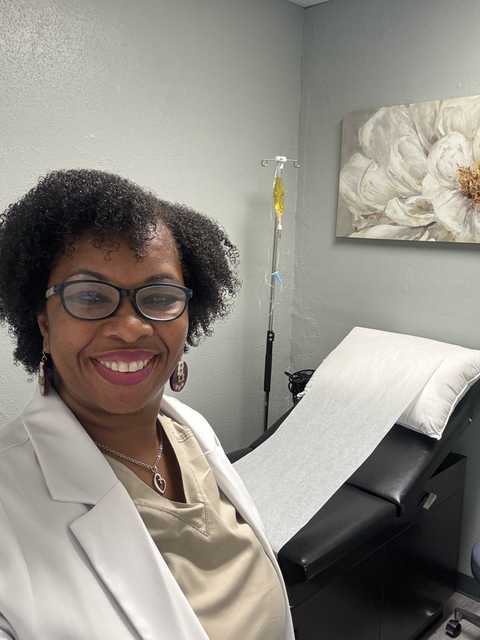
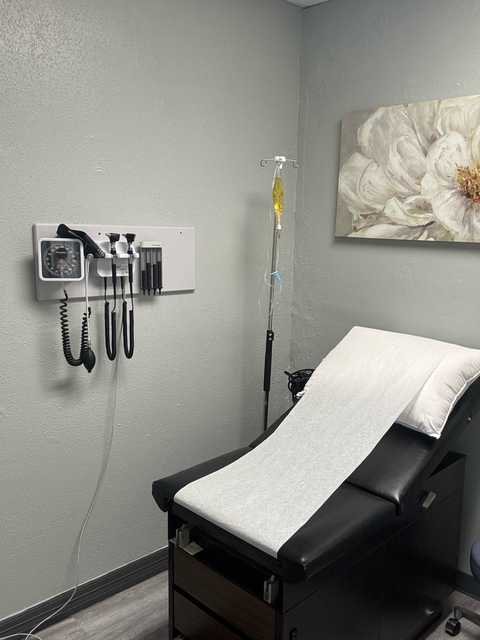
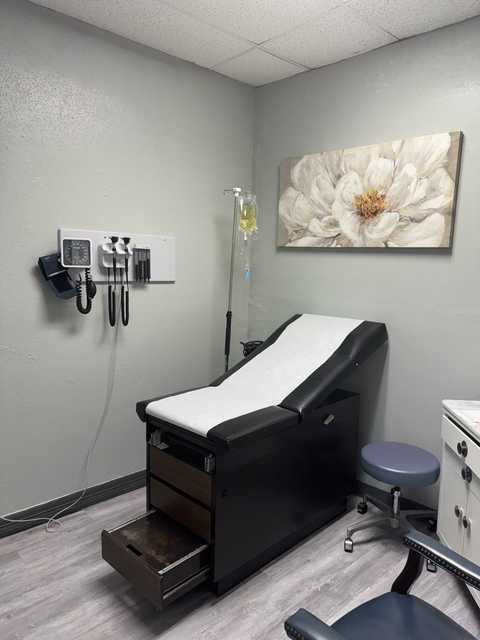
A typical visit begins with a brief intake and focused health screening to confirm suitability. After consent, a trained clinician places an IV and begins infusion under observation. Session length varies by the chosen fluids and nutrients; clinicians monitor vital signs and comfort. Many clients report quick check-in and a welcoming environment, allowing them to relax or work while receiving treatment.
After treatment you can usually resume normal activities, though clinicians advise drinking water and noting how you feel. Rare or unexpected reactions should be reported immediately; the clinic provides post-care guidance and contact instructions. The clinic’s location near Deerbrook Mall and accessible from Beltway 8 makes it practical for shoppers, commuters, and travelers arranging treatment around errands or flights.